Notice
You are now leaving Polygon Restoration's website and will be directed to another country in the group.
Do you want to proceed?
Notice
You are now leaving Polygon Restoration's website and will be directed to another country in the group.
Do you want to proceed?

As construction projects become enclosed for winter, reduced ventilation and moisture from activities such as concrete drying, drywall finishing, and painting can create conditions for condensation. Even in heated buildings, warm, humid air can come into contact with colder surfaces, causing condensation that may affect building materials and construction progress.
Condensation occurs when warm, humid air comes into contact with a surface cold enough for water vapour to turn into liquid water. This happens when the surface temperature reaches or falls below the air's dew point, the temperature at which moisture begins to condense. During winter construction, temporary heating may maintain comfortable indoor temperatures while windows, structural steel, exterior walls, and other building components remain considerably colder. When warm, humid air reaches these surfaces, water droplets can form. The higher the indoor humidity, the higher the dew point, increasing the likelihood of condensation. This is why maintaining indoor temperature alone does not necessarily prevent condensation.
Some signs of condensation are easy to identify, while others may go unnoticed until materials have already been affected. Common areas of concern include:
If left unmanaged, condensation can damage finishes, structural components, and other building materials, potentially leading to additional drying requirements, rework, or construction delays.
Reducing condensation risks requires managing indoor humidity, surface temperatures, and the movement of moisture-laden air.
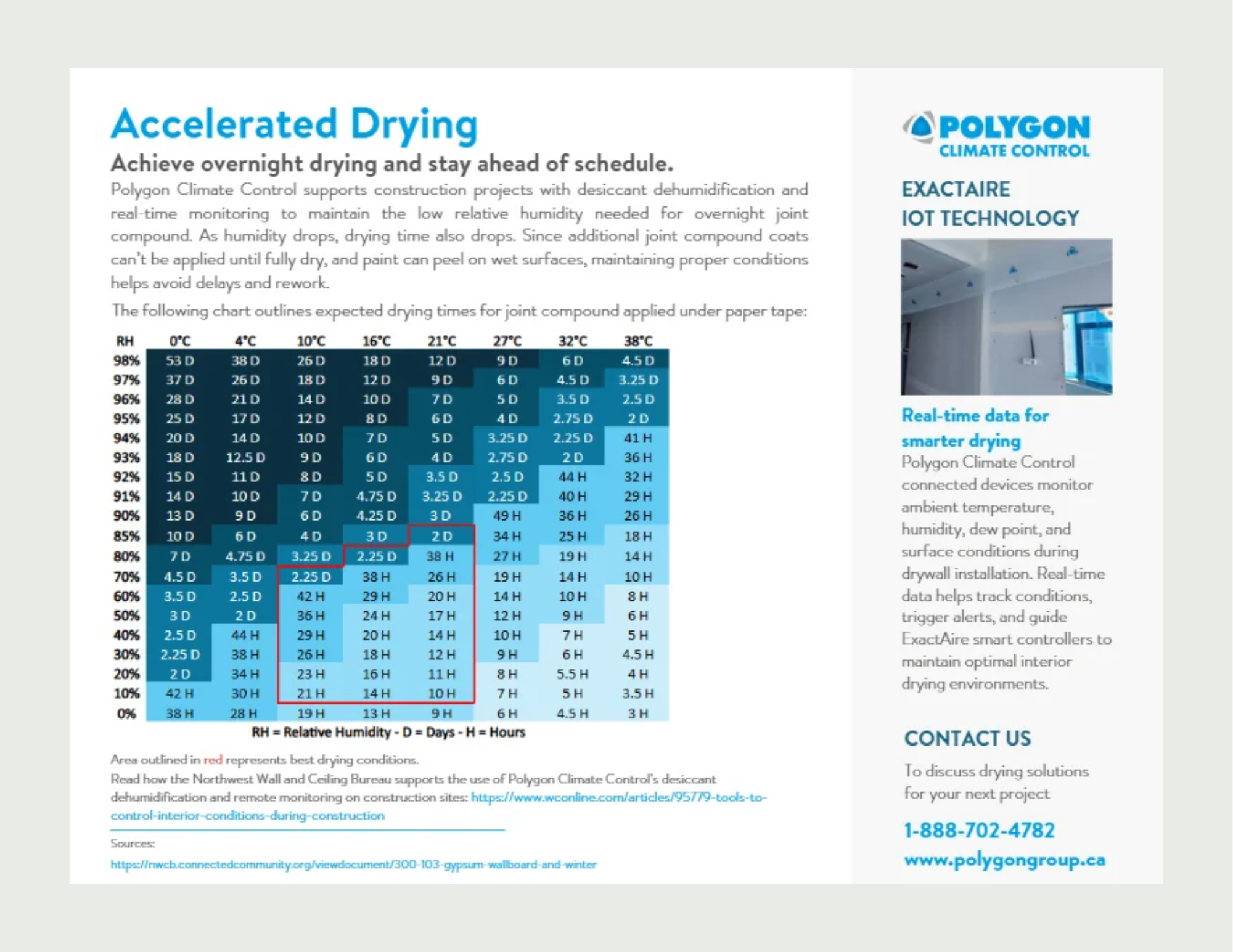
Control indoor humidity. Dehumidification removes water vapour from the air, lowering the dew point and reducing the likelihood of condensation on colder surfaces.
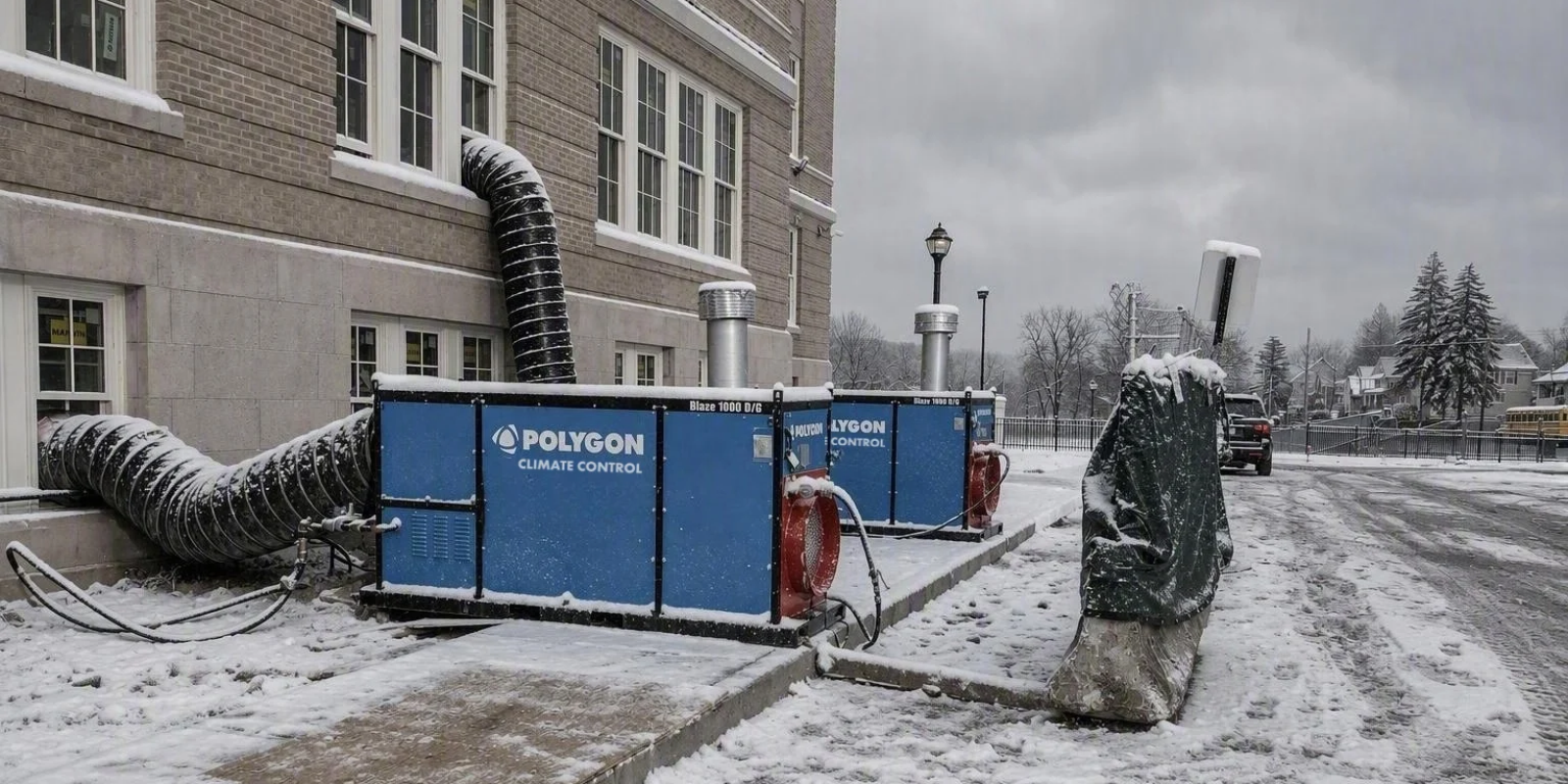
Consider the heating strategy. Temporary heating helps maintain indoor temperatures, but heating alone does not remove moisture. Certain heating methods, particularly direct-fired combustion heaters, can also introduce additional water vapour into the building.
Pay attention to air movement and building assemblies. Warm, humid air entering colder building assemblies can contribute to concealed condensation. Proper air barrier design, insulation, and moisture management help limit these risks.
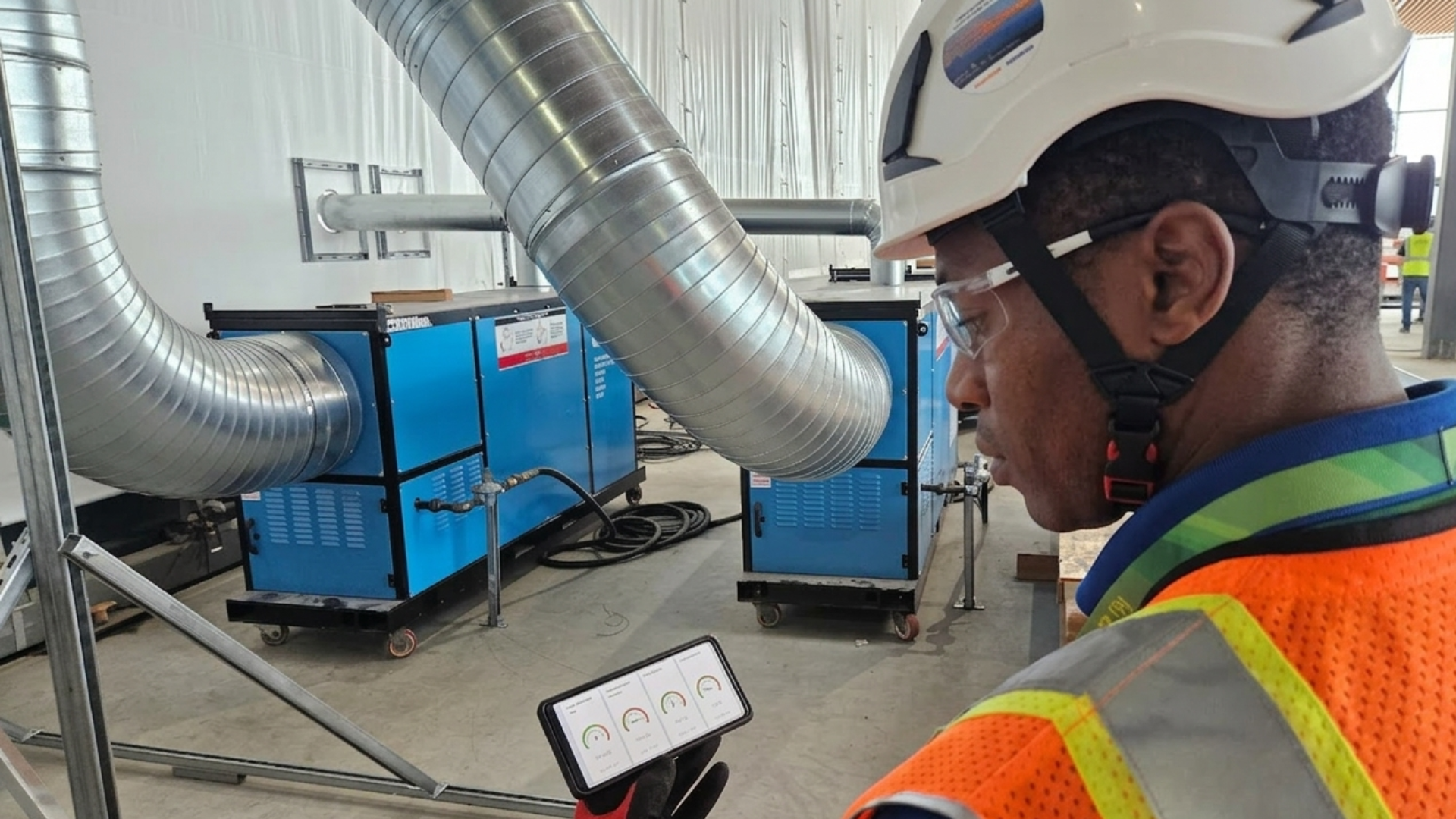
Monitor changing conditions. Indoor humidity, outdoor temperatures, and construction activities can fluctuate throughout the day. Monitoring temperature, relative humidity, dew point, and surface conditions can help identify when condensation risks are increasing.
Remote monitoring and automated climate control systems can help project teams respond to these changes and maintain more consistent indoor conditions as construction progresses.

As buildings become enclosed for winter, condensation risks should be considered alongside heating and interior finishing requirements. Understanding where condensation can develop and managing the conditions that cause it can help protect building materials and avoid unnecessary delays.
Source:

Emergency call 24hr service
1 888 702-4782Send message
ca_service@polygongroup.comDirect Reaction Team
We are ready to respond on short notice to ensure that real estate and other property restored to its origins in the fastest possible way. We do a quick assessment of the damage to be able to take the right actions
Please contact us with your questions or project requirements. We look forward to assisting you.
4565 Metropolitain Est, Montreal, QC, H1R 1Z4
Tel: 514-326-0555 | Fax: 514-326-1444
24/7 Emergency
1-888-702-4782