Blog

The Condensation Challenge in Winter Construction

Temporary Climate Solutions, Digital Solutions

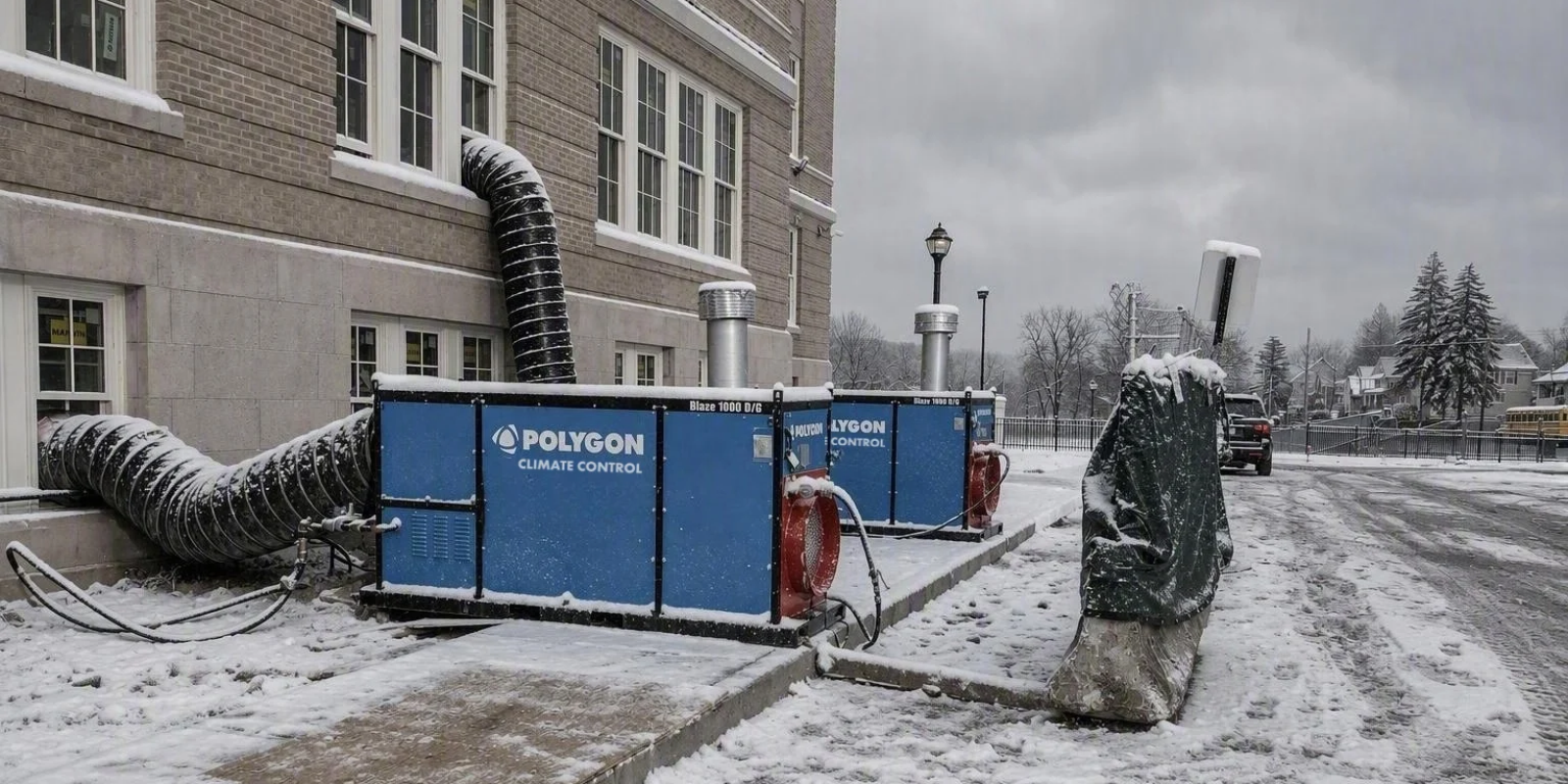
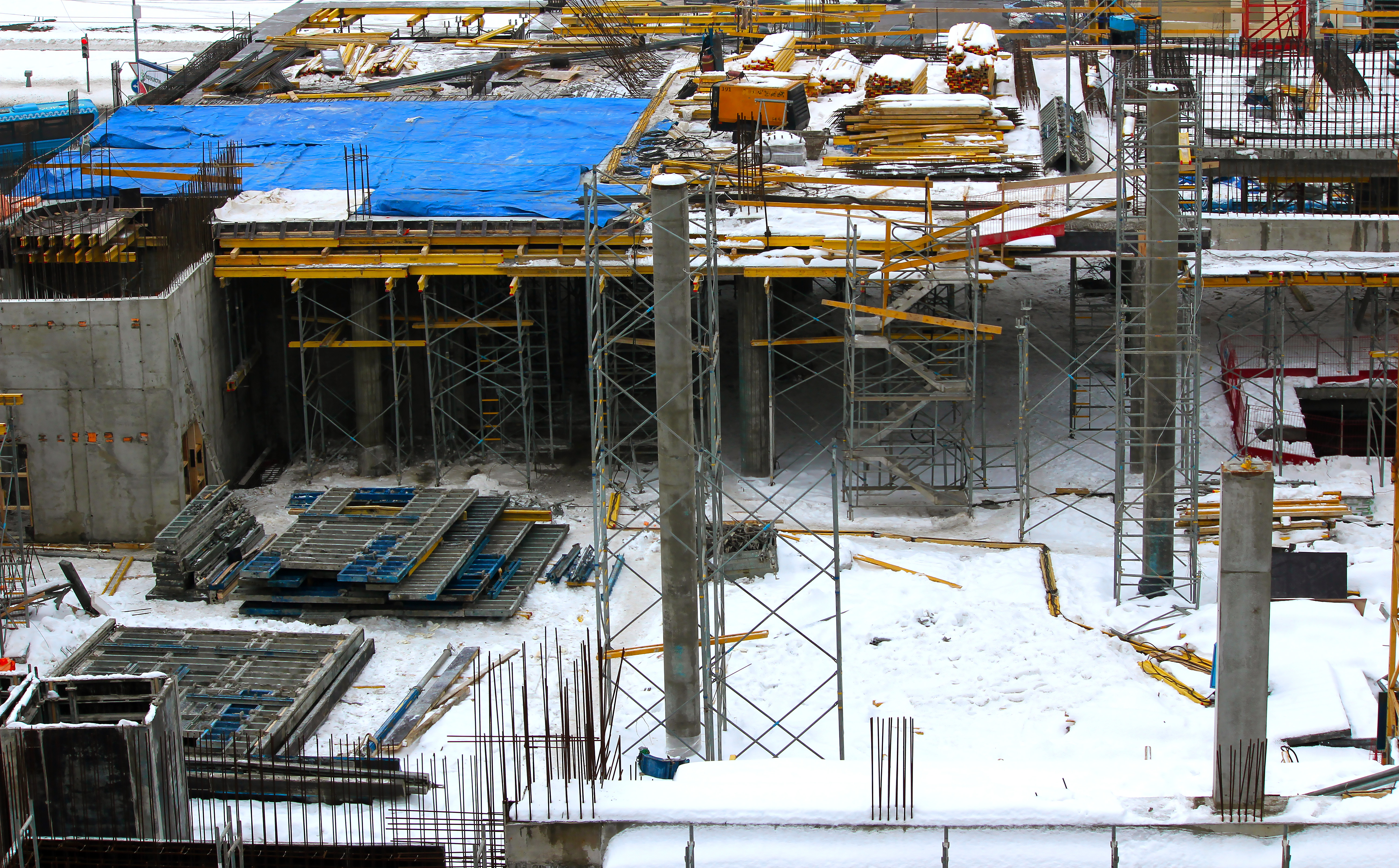
As construction projects become enclosed for winter, reduced ventilation and moisture from activities such as concrete drying, drywall finishing, and painting can create conditions for condensation. Even in heated buildings, warm, humid air can come into contact with colder surfaces, causing condensation that may affect building materials and construction progress.

Read more

Don't Wait for the First Freeze: Building a Climate Control Strategy Before Heating Season

Temporary Climate Solutions, Digital Solutions

When most construction teams think about heating season, they think about heaters. But successful winter projects aren't built around heating equipment. They're built around a plan.

Read more

Addressing Indoor Air Quality During Fire Restoration

Digital Solutions, Water Damage Restoration, Fire Damage Restoration

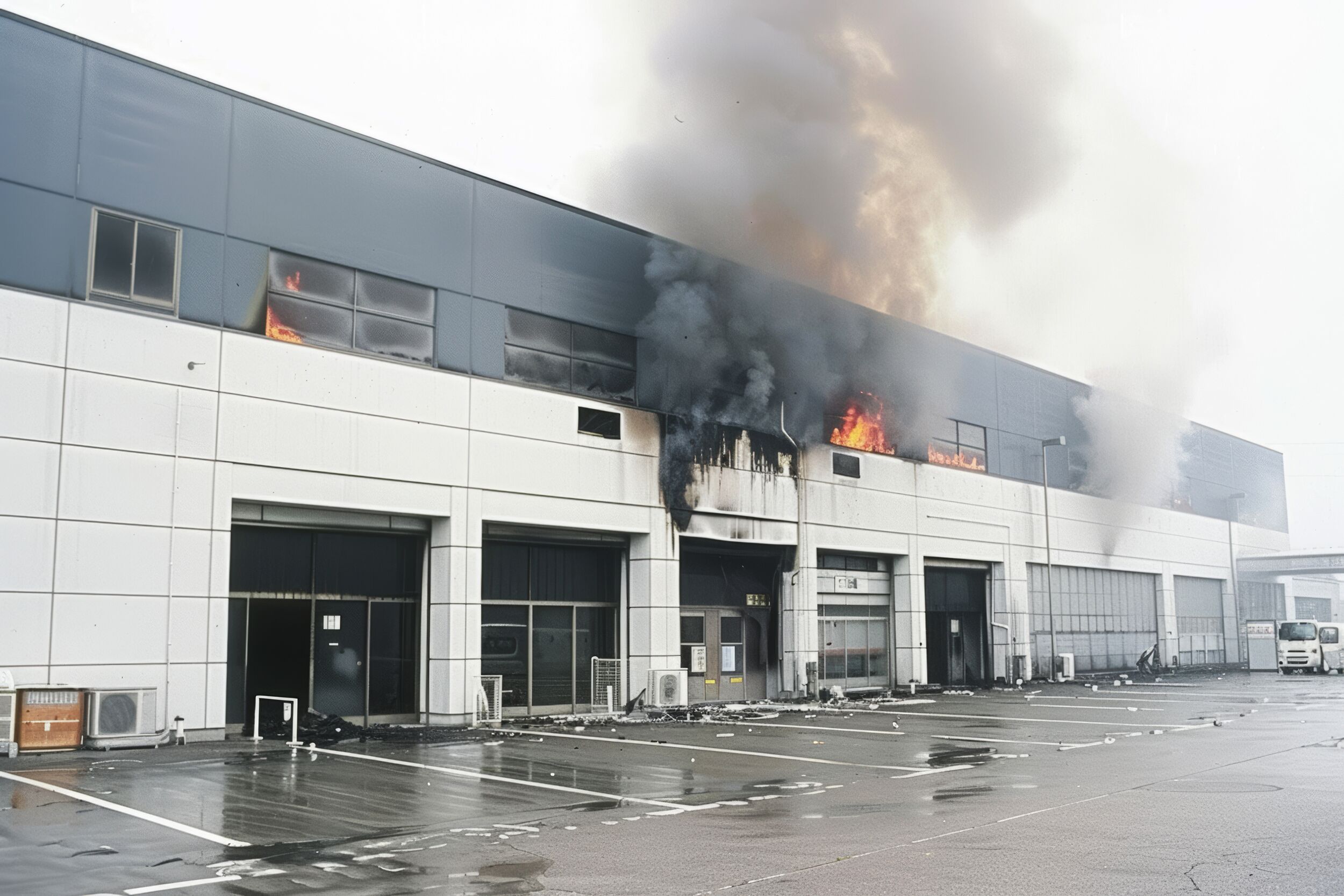
After a fire, attention usually turns to visible damage. Smoke, airborne particles, and gases, however, can move beyond the areas directly affected by flames and influence indoor conditions throughout a building. For residential, commercial, and multi-unit properties, understanding what may be present in the air, how smoke has travelled, and how conditions change during restoration can be an important part of the recovery process.

Read more

Carbon Monoxide and Temporary Heaters: Staying Safe as Buildings Close In

Temporary Climate Solutions, Digital Solutions

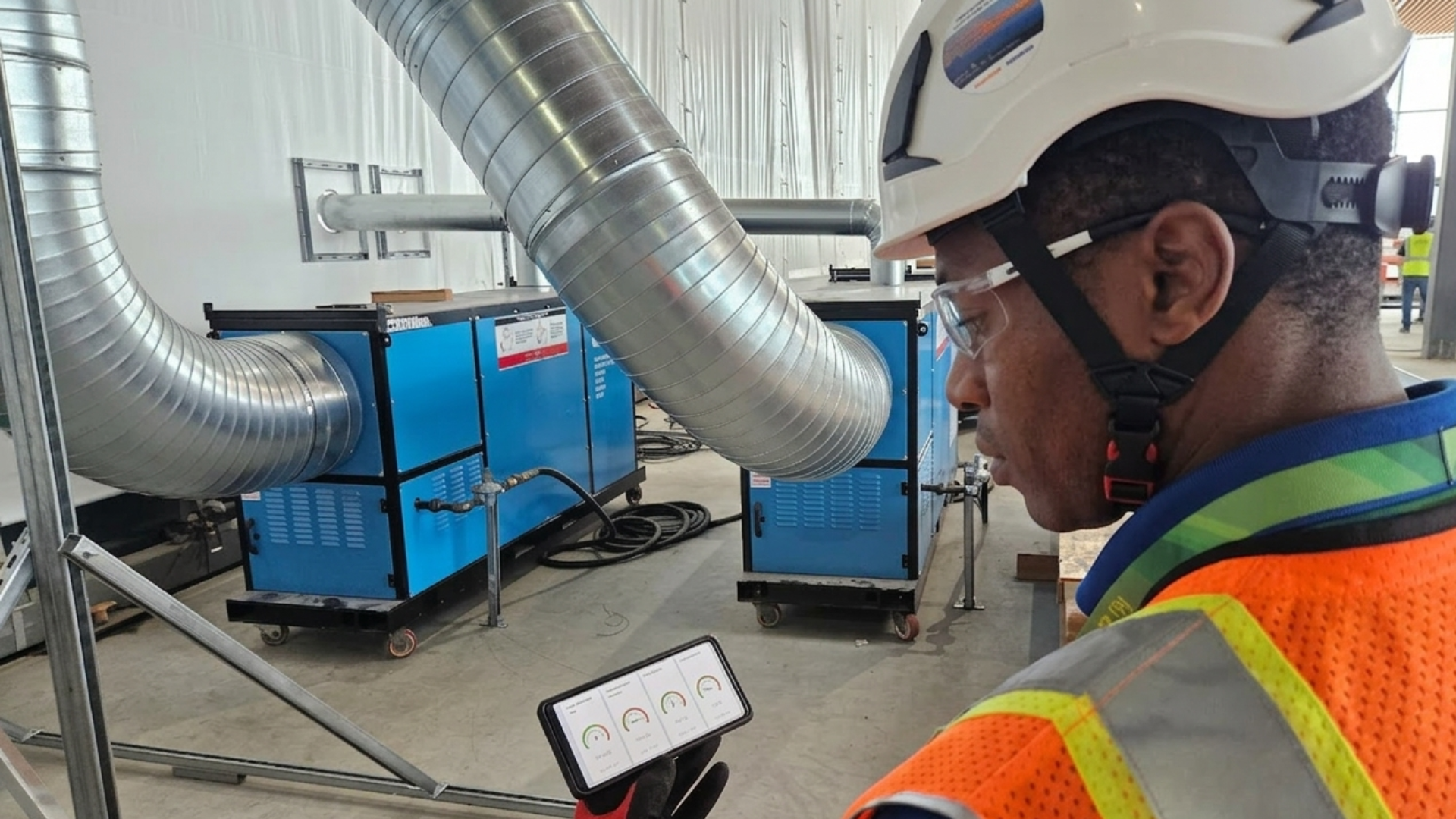
As cold weather approaches and projects begin to close in, temporary heat becomes essential for keeping schedules on track and protecting materials. At the same time, enclosed spaces increase the risk of carbon monoxide (CO) exposure when fuel-burning heaters are used indoors. Understanding how CO is generated and how to monitor conditions is critical for maintaining safe environments during winter operations.

Read more

Structural Drying in Occupied Buildings: Why Moisture Control Isn't Enough

Digital Solutions, Water Damage Restoration, Fire Damage Restoration

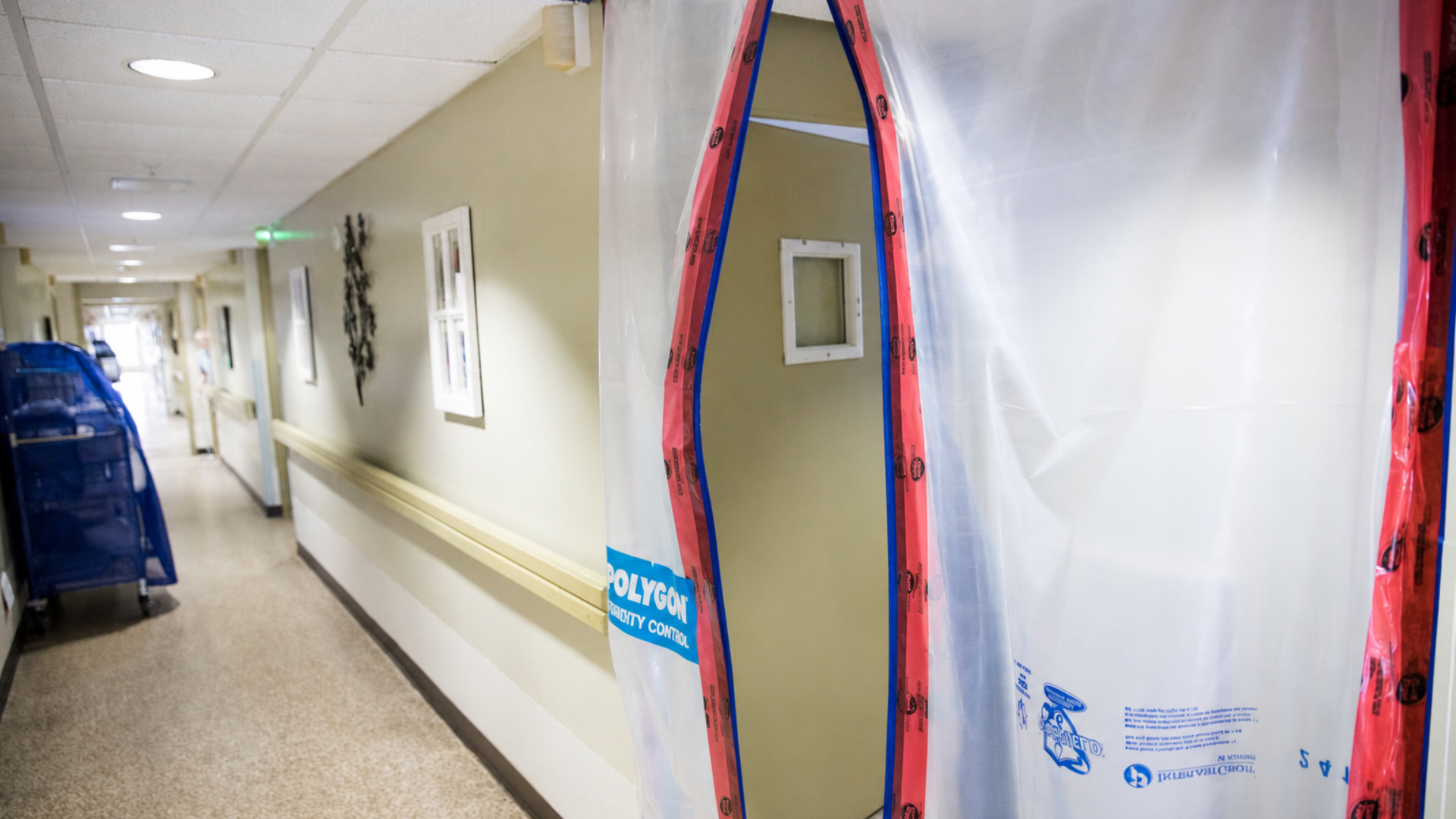
When a building experiences water damage, the immediate priority is often to remove moisture as quickly as possible. Rapid structural drying helps prevent material deterioration, minimize business interruption, and reduce the risk of mold growth. In occupied buildings such as hospitals, long-term care homes, schools, laboratories, museums, archives, and commercial facilities, however, successful structural drying involves much more than removing water. It also requires careful planning, contaminant control, and protecting the people who continue to use the building throughout the restoration process.

Read more