Blog

The Condensation Challenge in Winter Construction

Temporary Climate Solutions, Digital Solutions

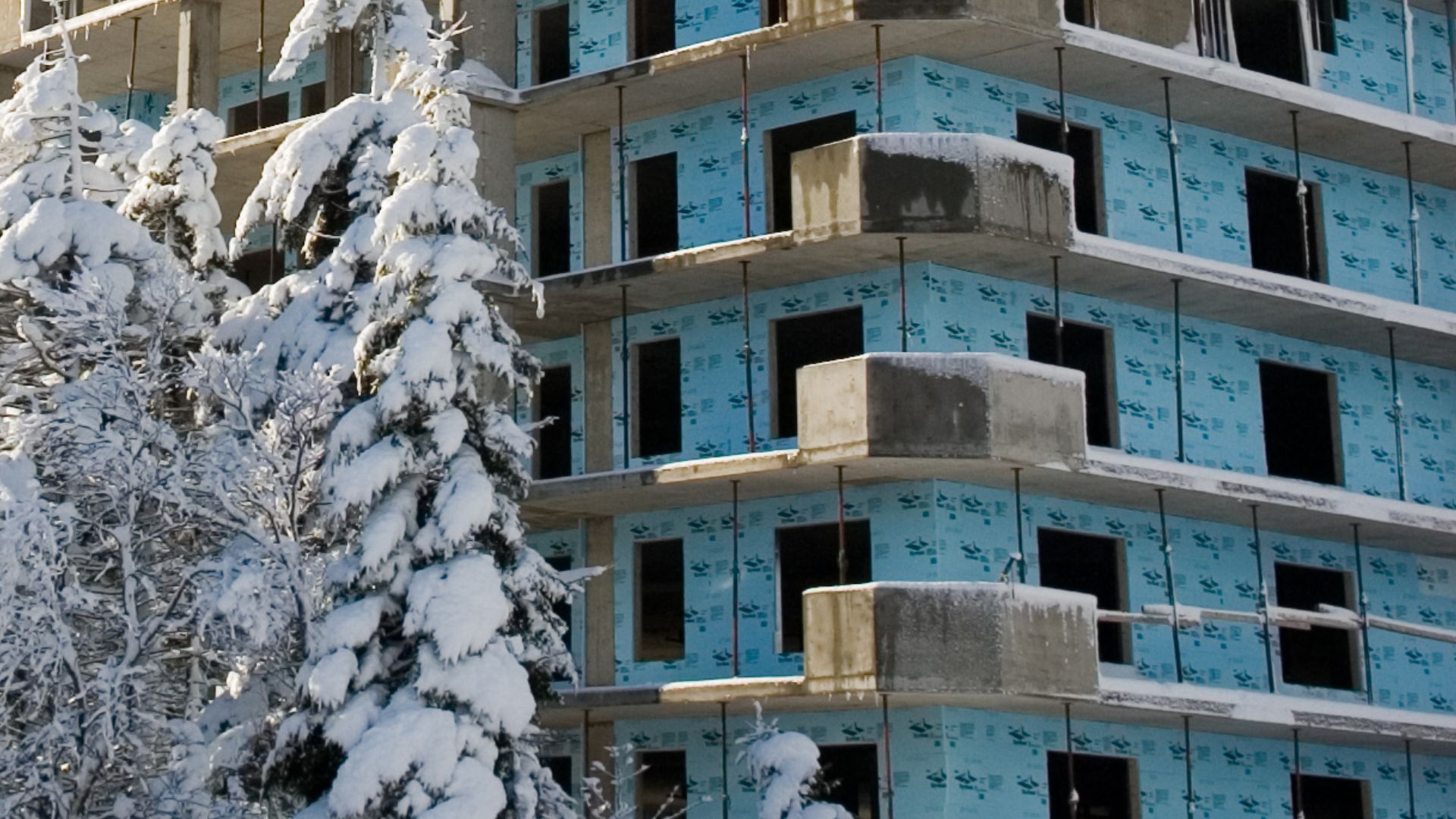
As construction projects become enclosed for winter, reduced ventilation and moisture from activities such as concrete drying, drywall finishing, and painting can create conditions for condensation. Even in heated buildings, warm, humid air can come into contact with colder surfaces, causing condensation that may affect building materials and construction progress.

Read more

Don't Wait for the First Freeze: Building a Climate Control Strategy Before Heating Season

Temporary Climate Solutions, Digital Solutions

When most construction teams think about heating season, they think about heaters. But successful winter projects aren't built around heating equipment. They're built around a plan.

Read more

Do You Have a Construction Site Heating Strategy?

Temporary Climate Solutions

Don't treat ideal construction site conditions as an afterthought. Include a performance-based climate control strategy in your project's planning stage. It saves money, prevents delays, and provides the project team with a safer working environment.

Read more

Carbon Monoxide and Temporary Heaters: Staying Safe as Buildings Close In

Temporary Climate Solutions, Digital Solutions

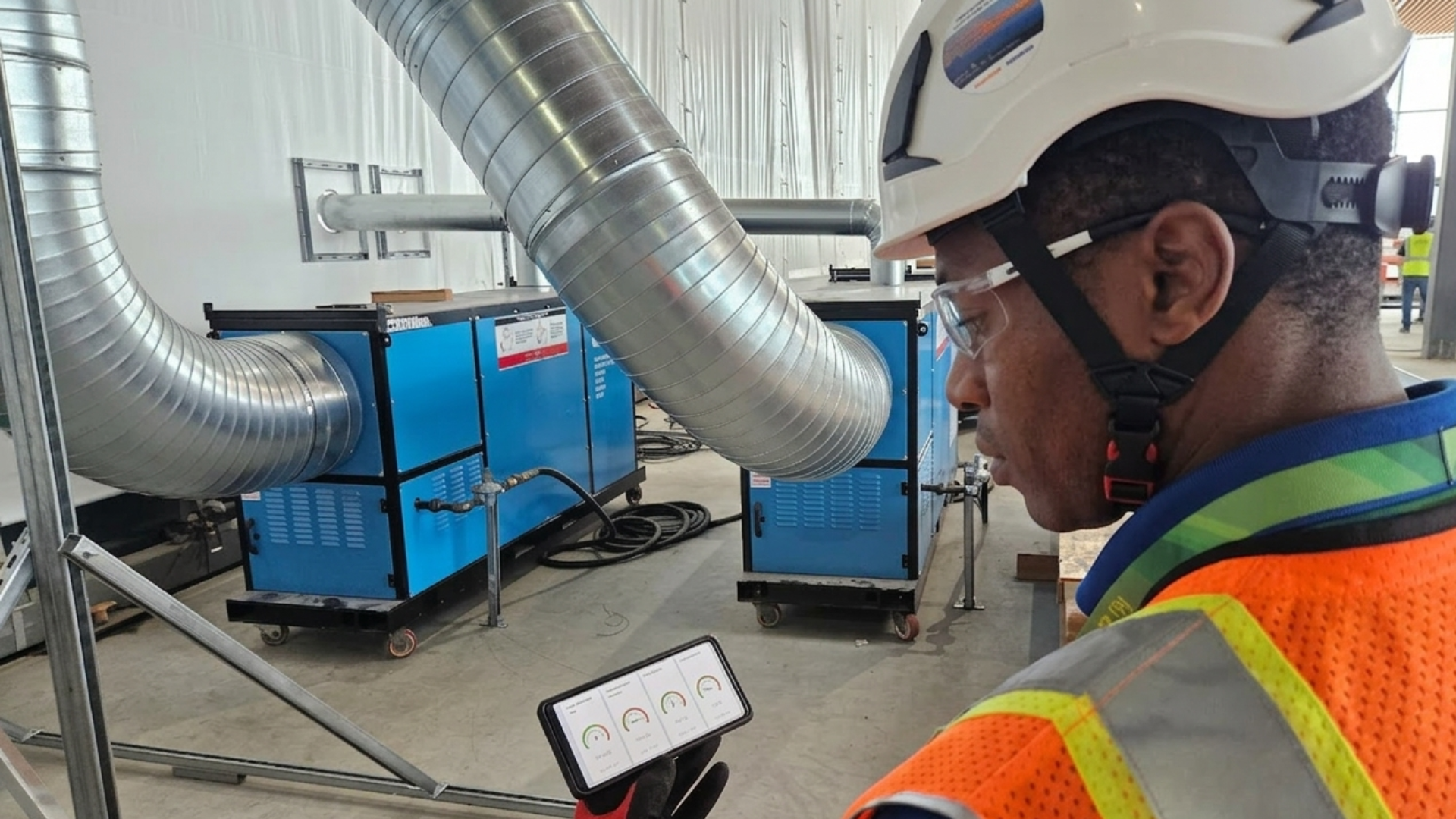
As cold weather approaches and projects begin to close in, temporary heat becomes essential for keeping schedules on track and protecting materials. At the same time, enclosed spaces increase the risk of carbon monoxide (CO) exposure when fuel-burning heaters are used indoors. Understanding how CO is generated and how to monitor conditions is critical for maintaining safe environments during winter operations.

Read more

Protecting Vacant Buildings While Reducing Energy Costs

Temporary Climate Solutions, Digital Solutions

Across Canada, many office and commercial buildings continue to sit vacant or underutilized. According to CBRE, Canada’s national office vacancy rate stood at approximately 18% at the end of 2025, compared to 10.9% before the pandemic. As more buildings remain partially occupied or unoccupied for extended periods, property owners, municipalities, and facility managers are facing growing pressure to reduce operating costs while still protecting building conditions and long-term asset value.

Read more