Blog

Expert Insights: Mart Wicker Explains Power Monitoring for Industrial Operations

Temporary Climate Solutions, Remote Monitoring and Control, Food and Pharma, Manufacturing and Industrial Processing, Indoor Air Quality

Power monitoring has become an increasingly important part of maintaining safe, efficient, and reliable manufacturing operations. Across industrial facilities, production environments rely on stable electrical infrastructure to support equipment performance, environmental control systems, automation, and overall operational uptime.

Read

Monitoring Concrete During Pouring and Curing

Construction Drying, Temporary Climate Solutions, Remote Monitoring and Control, Indoor Air Quality

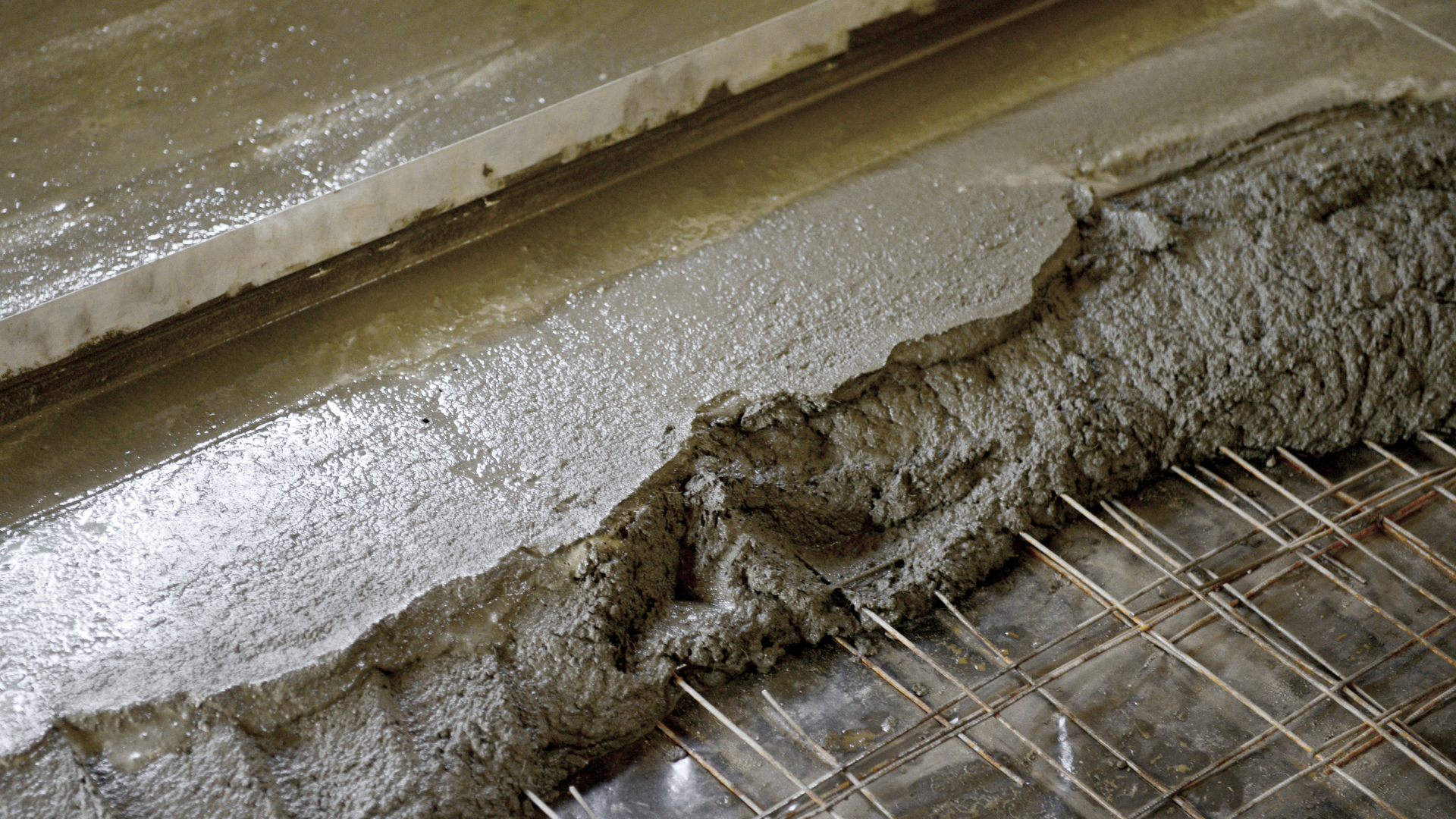
Concrete pouring is a construction phase that looks straightforward at a glance, but once you’re on-site, it’s clear how much coordination is involved. Between formwork, rebar, pumps, and crews working to place and consolidate the material, there’s a lot happening all at once.

Read

Construction’s Water Playbook Was Built for Yesterday’s Climate

Temporary Climate Solutions, Water and Storm Damage, Remote Monitoring and Control

By Hayley M. Taylor, CIC, CISR. Originally published by WINT.ai

Read

Webinar: The Risk to Resilience Summit

News, Temporary Climate Solutions, Water and Storm Damage, Remote Monitoring and Control

The Risk to Resilience Summit will highlight the operational, financial, and sustainability implications of water-related incidents and why traditional approaches are no longer enough.

Read

Protecting Properties with Early Leak Detection

Document Recovery, Remote Monitoring and Control

Water damage remains one of the most common and costly risks facing properties across the United States. While severe weather events continue to drive insurance losses, many of the most expensive incidents start much smaller, such as an unnoticed plumbing leak, a slow drip in a mechanical room, or elevated humidity behind walls. Left unchecked, these minor issues can quickly escalate into major damage, operational disruption, and costly repairs. For property managers overseeing multiple buildings, relying on reactive maintenance is both inefficient and expensive. Today, smart monitoring technology makes it possible to detect issues early and shift from reactive response to proactive prevention.

Read