Blog

Back to School. What Happens When You Find Mold?

Disaster Preparedness, Disaster Recovery, Document Recovery, Document Scanning, Mold Damage, Indoor Air Quality

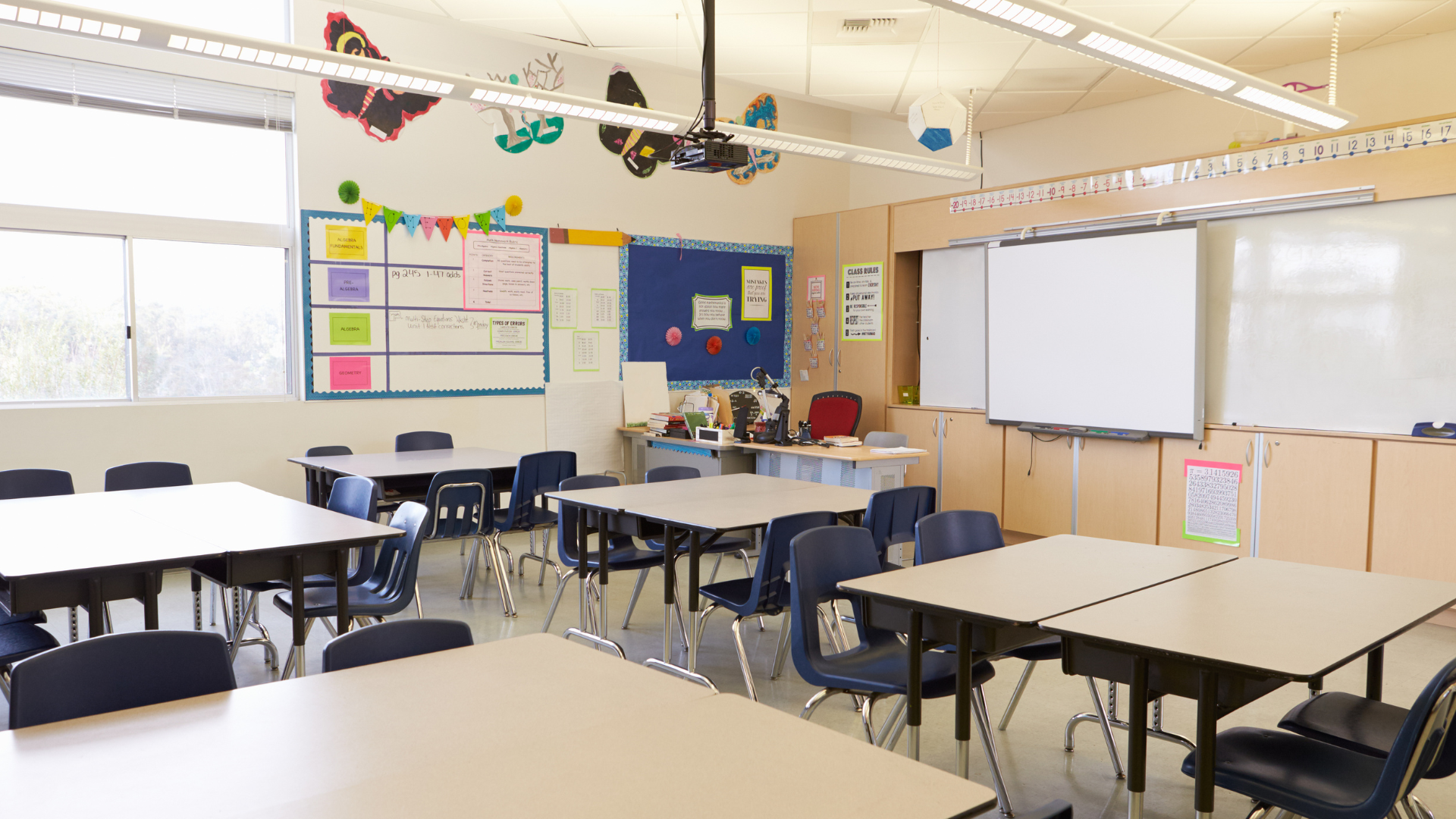
As educators return to school after summer break, they may discover more than empty classrooms and forgotten supplies. A musty smell, warped books, stuck-together pages, and visible mold are signs that items were exposed to moisture. Schools should reconsider simply throwing away materials. Here’s what you can do.

Read

Protecting Properties with Early Leak Detection

Document Recovery, Remote Monitoring and Control

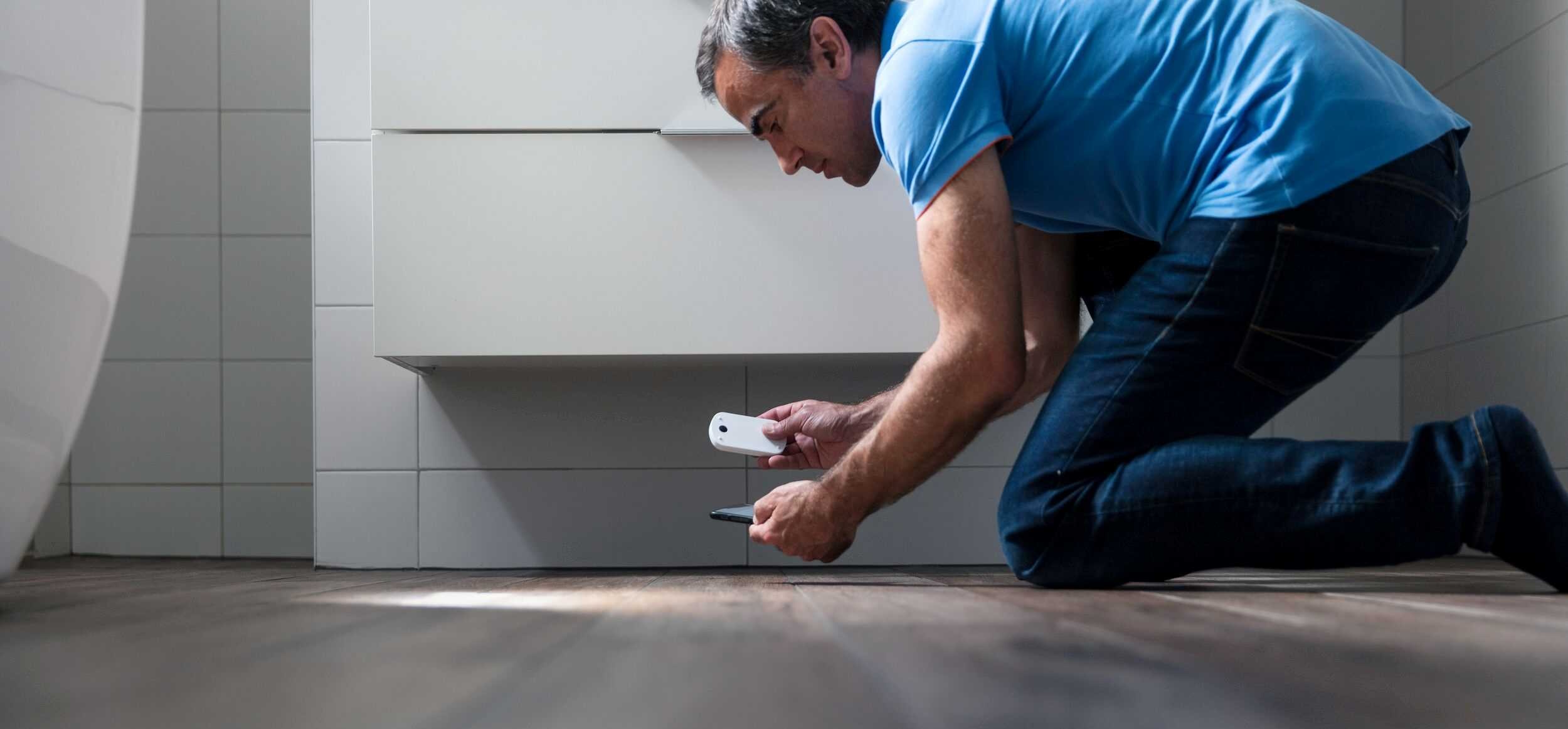
Water damage remains one of the most common and costly risks facing properties across the United States. While severe weather events continue to drive insurance losses, many of the most expensive incidents start much smaller, such as an unnoticed plumbing leak, a slow drip in a mechanical room, or elevated humidity behind walls. Left unchecked, these minor issues can quickly escalate into major damage, operational disruption, and costly repairs. For property managers overseeing multiple buildings, relying on reactive maintenance is both inefficient and expensive. Today, smart monitoring technology makes it possible to detect issues early and shift from reactive response to proactive prevention.

Read

Smart Leak Detection for Safer Collections

Catastrophe Response, Disaster Preparedness, Disaster Recovery, Document Recovery, Document Scanning, Fire and Smoke Damage, Mold Damage, Water and Storm Damage, Remote Monitoring and Control

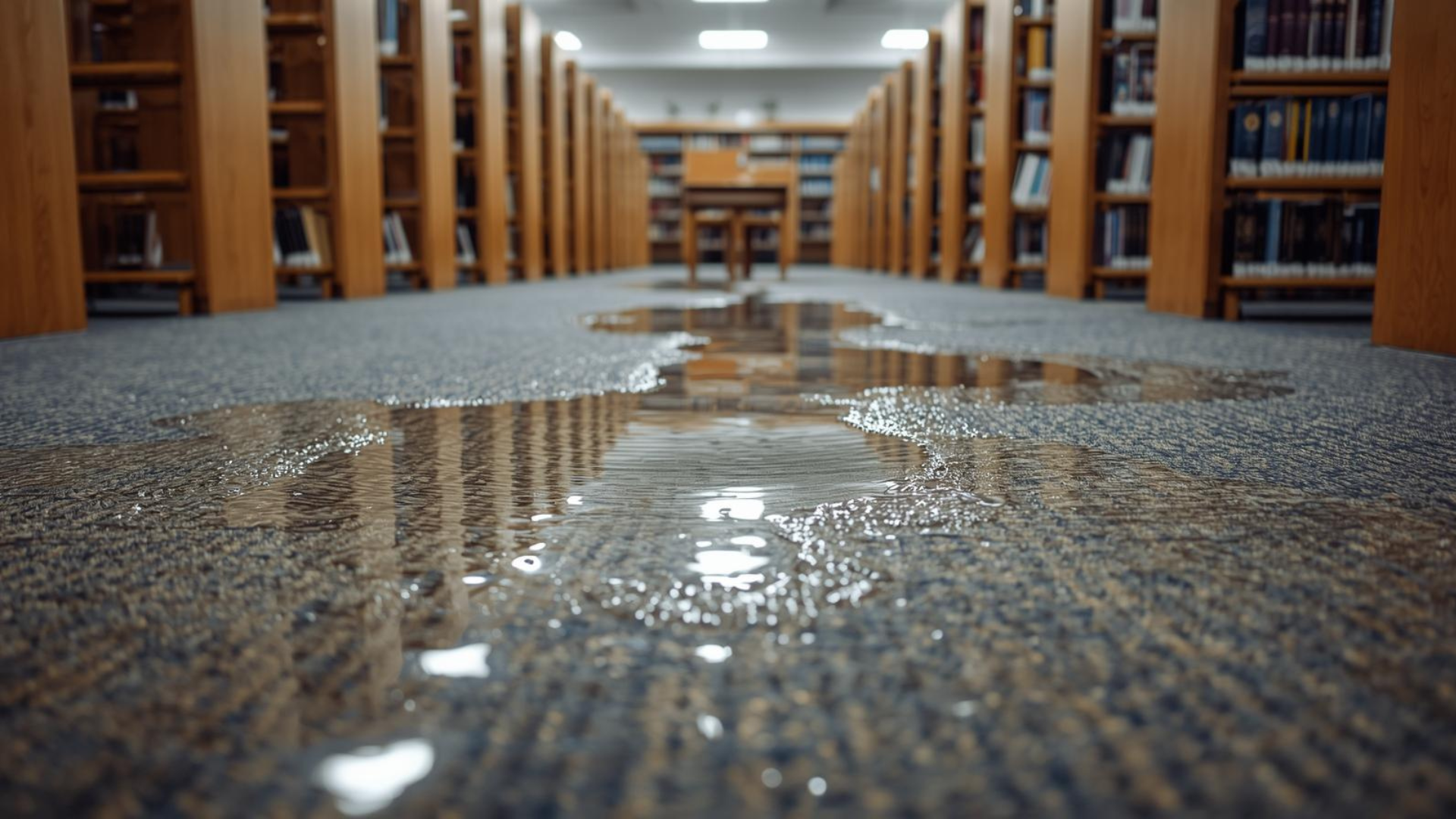
When temperatures drop, archives, libraries, and records storage facilities face hidden risks that extend beyond cold air and low humidity. Frozen pipes and sudden bursts can release hundreds of gallons of water in minutes, threatening the safety of irreplaceable files, books, and archival materials. For organizations responsible for preserving cultural heritage and critical records, a proactive approach to water management can mean the difference between minimal disruption and a devastating loss.

Read

A Clean Start for 650,000 Books at the Cleveland Public Library

Document Recovery, Mold Damage

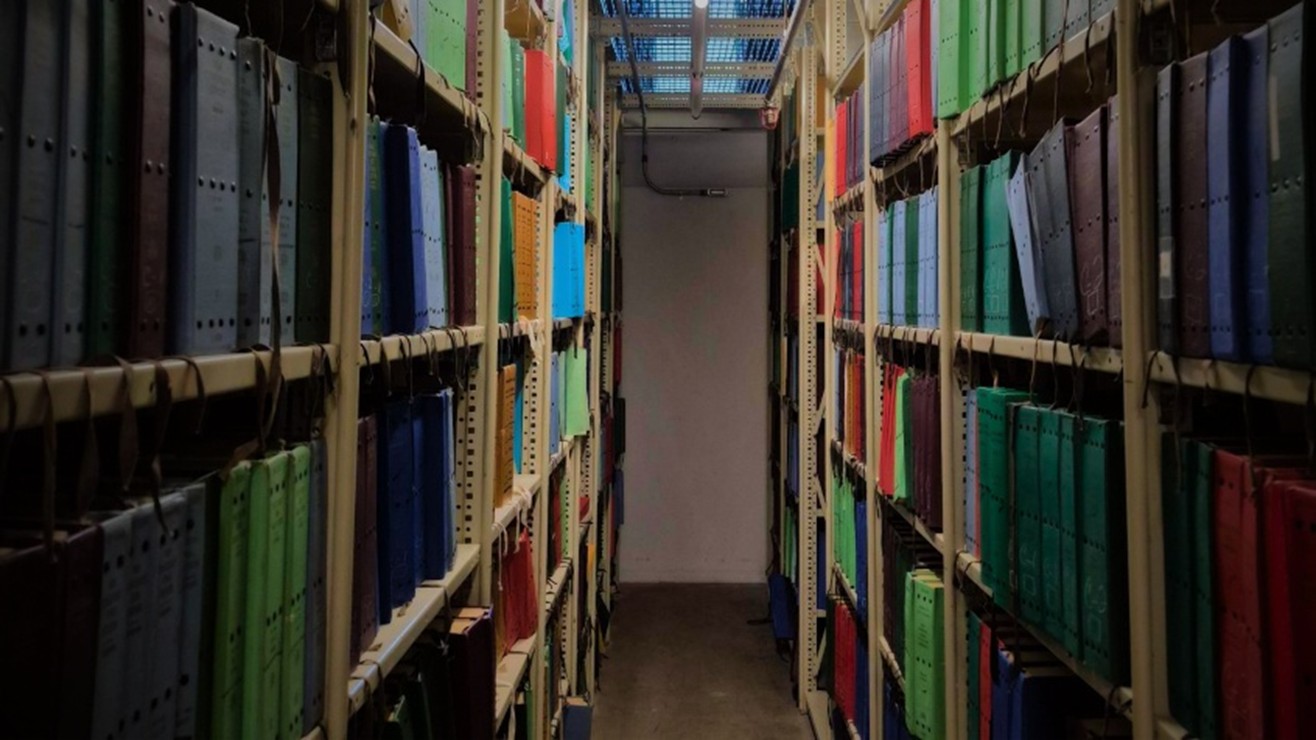
When priceless collections face environmental risk, swift, expert action matters. That’s exactly what the Cleveland Public Library (CPL) needed for its 650,000 books exposed to excessive moisture conditions. In late 2025, CPL embarked on a major initiative at its Lakeshore facility to clean and transport part of their collection to a new, more well-equipped facility. As part of this effort, Polygon was brought in to clean the books and prepare them for transportation.

Read

Clean Energy Reduces Footprint of Documents Freeze-Dry Chamber

Document Recovery, News

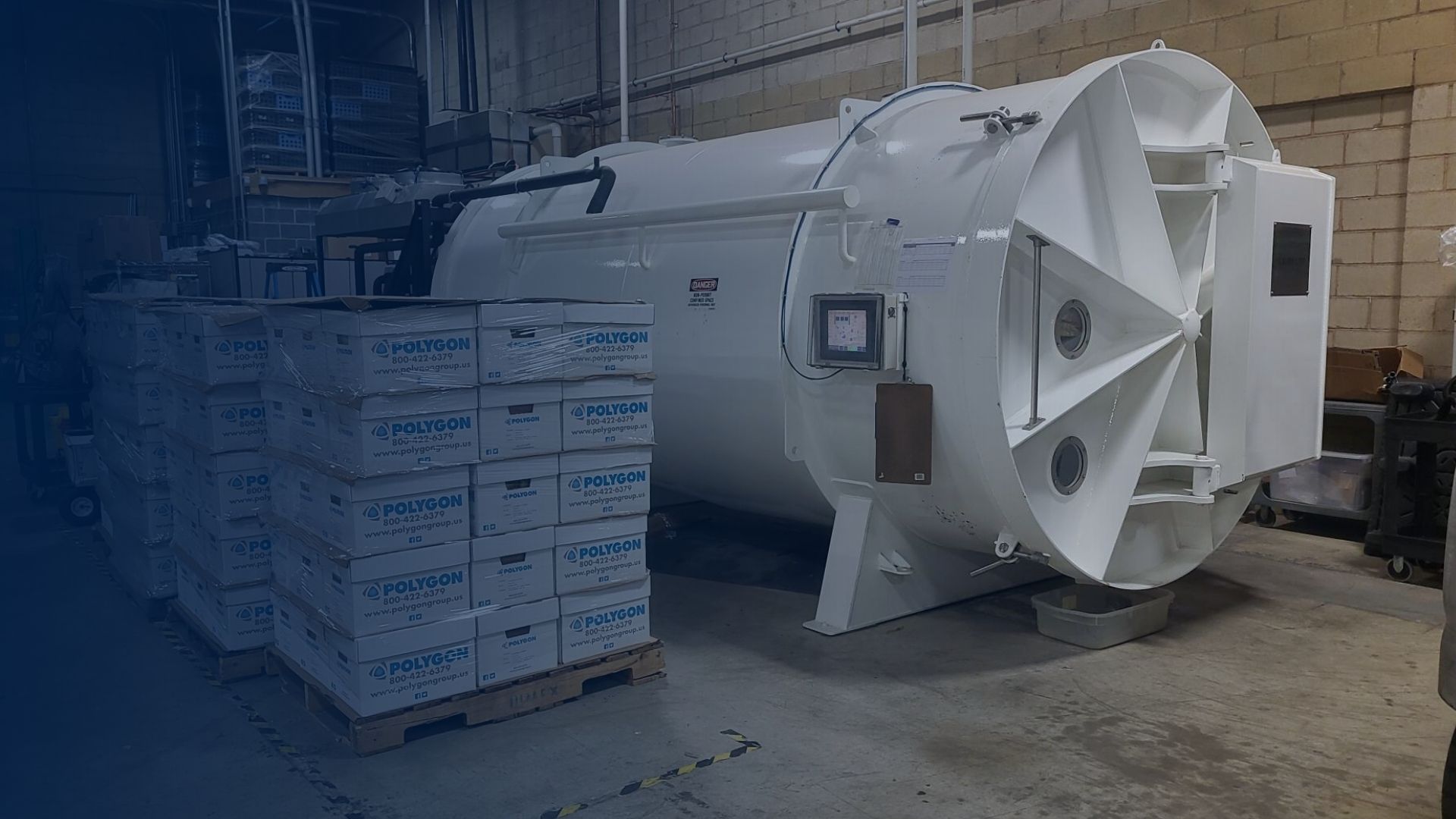
Polygon’s National Documents Center in Allentown, Pennsylvania is home to one of the most important tools in our document recovery process, the freeze-dry chamber. For 15 years, this machine has been running nonstop, turning frozen water directly into vapor and logging over 100,000 hours of operation. While the chamber is vital in restoring water-damaged documents, it also comes with an environmental tradeoff. In 2023, the Documents Center used nearly 266,000 kWh of electricity, with the chamber driving much of that demand.

Read